
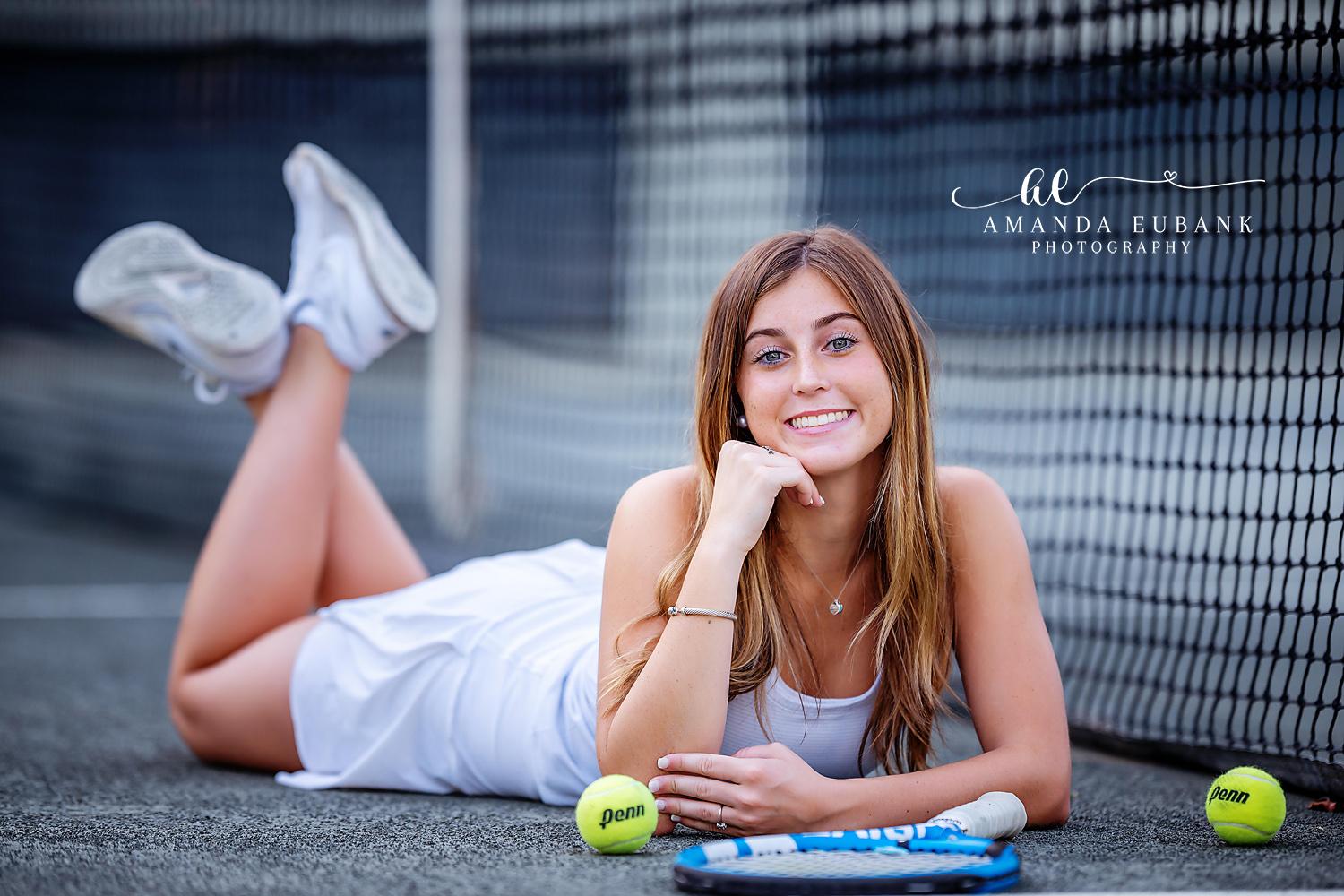
How do 30A senior photographers help nervous seniors relax? With a slow start, clear direction and a setting that does not feel like a stage. Most teenagers are uneasy about being photographed alone, and plenty of them expect to hate it. Very few do once the session is under way. Here is the approach I take with quiet or anxious students as a 30A senior photographer.
A Slow Start Sets the Tone
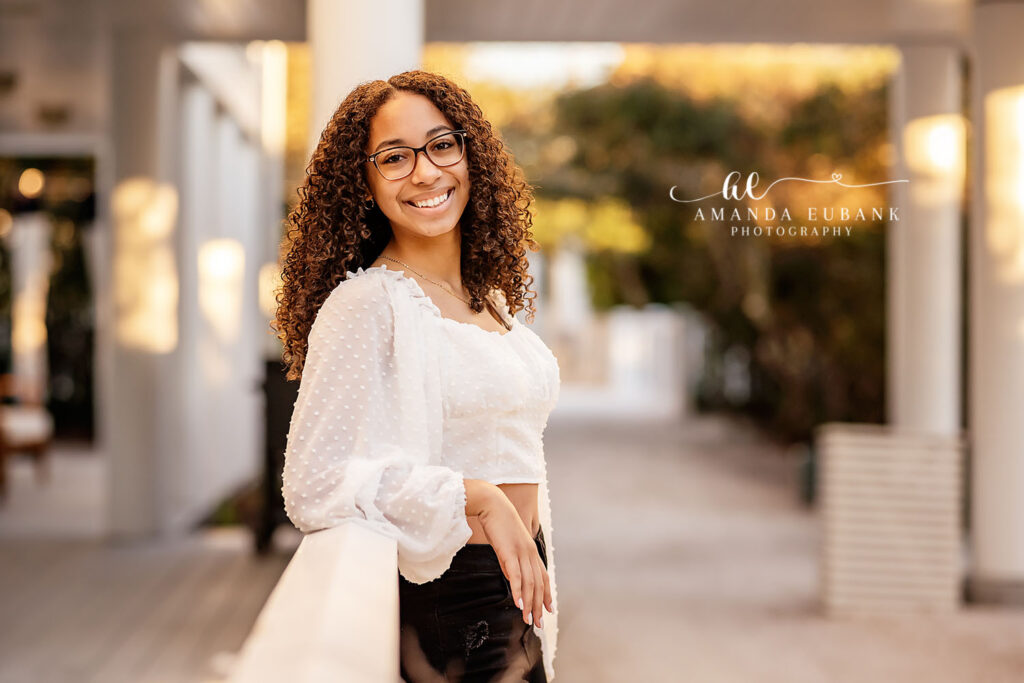
The first minutes are spent walking and talking. I ask about classes, teams, music and what comes after graduation, and I take a few easy frames along the way. Those early pictures are practice, and I tell the senior so.
Knowing that nothing counts yet removes a great deal of pressure. By the time we reach the main location, the camera has become part of the background. Shoulders drop, and the real expressions begin to appear. That shift usually takes less than ten minutes, even for students who arrived certain they would be miserable.
Direction Instead of Guesswork
Nobody is asked to invent poses. I explain where to place hands, which foot to lean on and where to look, one small step at a time. Clear instructions give a nervous person something concrete to do. They also take away the fear of looking foolish, which is what most anxious seniors are really worried about.
Movement helps even more. Walking toward me, glancing over a shoulder, sitting on a step and adjusting a sleeve all keep the body busy. Looking away from the lens is always allowed, and those quieter profiles often end up among the favorites.
Why Quiet 30A Locations Help
An audience makes shy people stiffer. Residential beach accesses on a weekday evening have few passersby, and the sound of the surf covers any awkward pause. At sunrise the sand is usually empty. With no classmates or strangers watching, there is no one to perform for.
Busy town centers are better saved for confident seniors or for early morning. Open beach gives room to breathe and a horizon to look at. I choose the setting with temperament in mind, as well as scenery. Wide sand also means we can move away from anyone who wanders close.
What Parents and Friends Can Do
Family is welcome, and the most useful thing a parent can do is hang back. Coaching from the sidelines tends to raise tension. Carrying bags, holding outfits and enjoying the view is help enough. A thumbs-up from twenty feet away is worth more than a list of reminders to stand up straight.
Some seniors relax fastest with a sibling or best friend nearby. Let me know ahead of time and we can plan a few frames that include them. A familiar face behind the camera often draws out an easy laugh.
Small Choices That Build Confidence
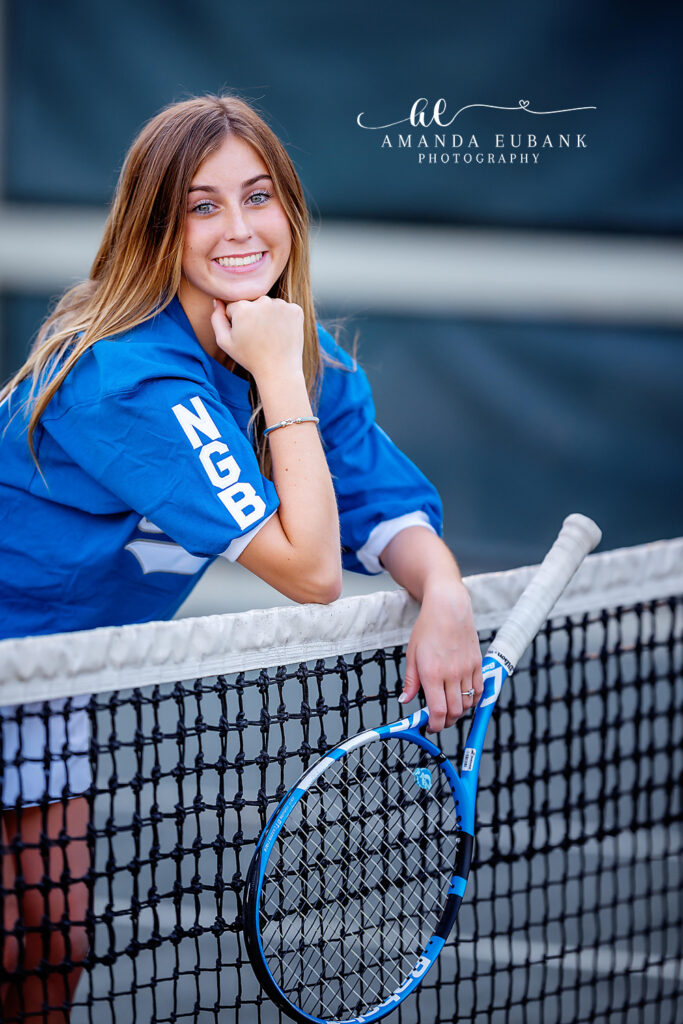
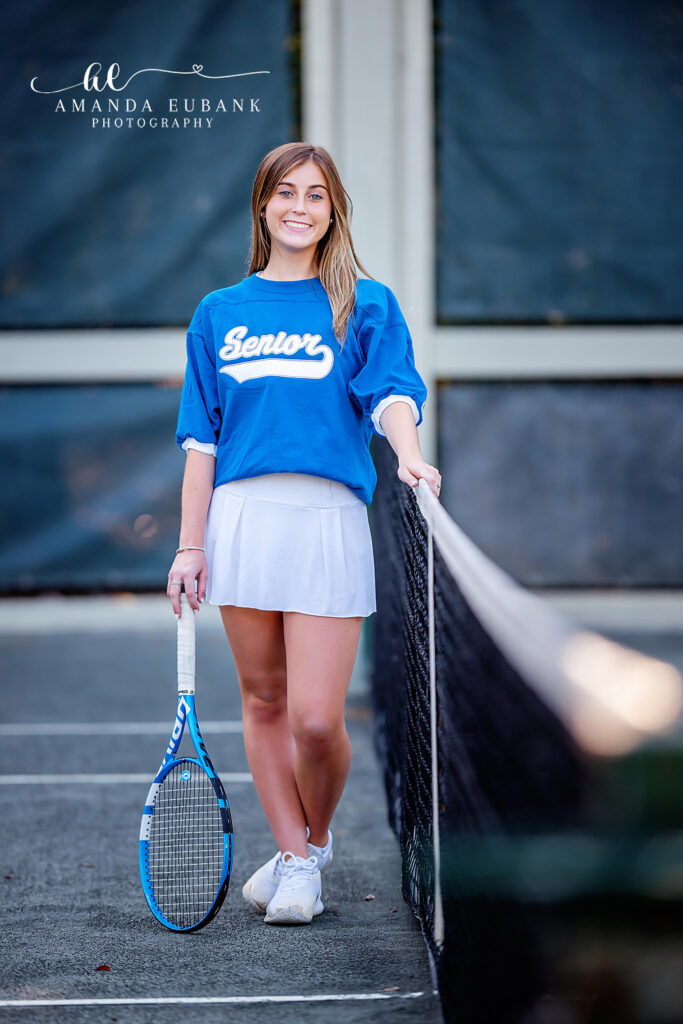
Clothing you already feel good in makes a difference. So does bringing one meaningful item, such as a guitar, a ball or a jersey, because holding something familiar steadies the hands. A favorite playlist on the drive sets the mood. Familiar things send a quiet message that this is your session and nobody else’s.
Have a meal before you come, and keep a water bottle handy. Pick a shorter session if long stretches of attention are tiring. A location with steps or a boardwalk helps too, since sitting feels easier than standing in open space.
What 30A Senior Photographers Want Shy Seniors to Know
You do not have to smile the whole time. A mix of serious and smiling looks makes a stronger gallery. Blinks and stiff moments are expected, and many frames are taken so the good ones can be chosen.
Breaks are fine whenever they are needed. If a pose feels wrong, say so and we will try another. The goal is a set of portraits that look like you on a good day, and nerves at the start have no bearing on how it ends. By the last light, reluctance has usually turned into curiosity about how the pictures will look.
Share any worries through the contact form or call (850) 660-3200. More relaxed, natural sessions appear on the 30A photographer page.